
"British tea cafe"
400 article(s) found

Anecdotes of British cafes
British cafes are exclusive to men, and women (except the landlady) are not allowed in. The situation angered British women. In 1674, when cafes were in full swing in England, British women published the "Application for Women to boycott Coffee". They complained that the dignity of British men was now gone because of excessive consumption of the latest popular, pagan drink coffee.

General knowledge of boutique coffee anecdotes of British cafes
British cafes are exclusive to men, and women (except the landlady) are not allowed in. The situation angered British women. In 1674, when cafes were in full swing in England, British women published the "Application for Women to boycott Coffee". They complained that the dignity of British men was now gone because of excessive consumption of the latest popular, pagan drink coffee.
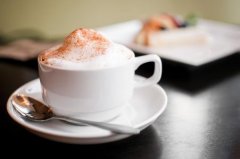
The Story of Fine Coffee Culture the Story of British Cafe
British cafes are exclusive to men, and women (except the landlady) are not allowed in. The situation angered British women. In 1674, when cafes were in full swing in England, British women published the "Application for Women to boycott Coffee". They complained that the dignity of British men was now gone because of excessive consumption of the latest popular, pagan drink coffee.

Coffee Culture History of British Literary Cafe
It is known all over the world that English people are addicted to tea. But from the mid-17th century to the early 18th century, the whole of London was soaked in coffee instead of tea. British men switch from drinking to drinking coffee, or both. When they get drunk in a pub, they go to the cafe to sober up with caffeine and then go to the pub to continue drinking. The first coffee shop in England, which appeared at Oxford University in 1650, was a
Coffee Culture of various countries British Literary Cafe
It is known all over the world that English people are addicted to tea. But from the mid-17th century to the early 18th century, the whole of London was soaked in coffee instead of tea. British men switch from drinking to drinking coffee, or both. When they get drunk in a pub, they go to the cafe to sober up with caffeine and then go to the pub to continue drinking. The first coffee shop in England, which appeared at Oxford University in 1650, was a

Coffee Culture of various countries British Literary Cafe
It is known all over the world that English people are addicted to tea. But from the mid-17th century to the early 18th century, the whole of London was soaked in coffee instead of tea. British men switch from drinking to drinking coffee, or both. When they get drunk in a pub, they go to the cafe to sober up with caffeine and then go to the pub to continue drinking. The first coffee shop in England, which appeared at Oxford University in 1650, was a
Literary Cafe in England
It is known all over the world that English people are addicted to tea. But from the mid-17th century to the early 18th century, the whole of London was soaked in coffee instead of tea. British men switch from drinking to drinking coffee, or both. When they get drunk in a pub, they go to the cafe to sober up with caffeine and then go to the pub to continue drinking. The first coffee shop in England, which appeared at Oxford University in 1650, was a
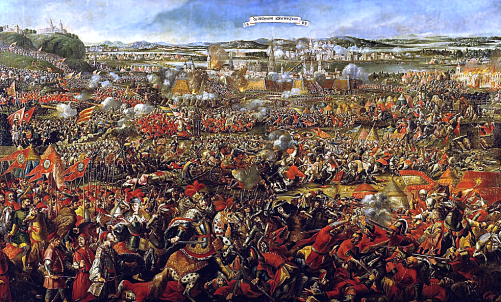
Tea or coffee? Look at the changes in the history of British drinks, the struggle for supremacy of tea coffee!
Professional baristas Please pay attention to the Coffee Workshop (official Wechat account cafe_style) over the years, Britain's national image has been inseparable from tea. When most people think of England, they think of afternoon tea. However, this impression may be out of date, because after the new millennium, more and more British people have actually given up their quintessence tea.
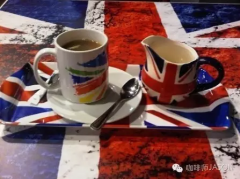
An introduction to the History of Coffee in Britain-the Development of Literary Cafe
Coffee is absolutely an integral part of British people's daily life. Whether rich or poor, from workers, students to high society, they can establish a close relationship with the cafes built along the street. For them, drinking coffee is an essential part of life. It is known all over the world that English people are addicted to tea. But from the mid-17th century to the early 18th century
In the coffee popular area, the British prefer to drink tea.
The British like to drink tea, but people living around Britain are keen on another kind of drink, coffee. Why did the British fall in love with that cup of tea surrounded by the coffee epidemic area?

In the coffee popular area, the British prefer to drink tea.
The British like to drink tea, but people living around Britain are keen on another kind of drink, coffee. The Nordic region, located in the north of England, is the most coffee-hungry region in the world. The five Nordic countries occupy the first, second, third, fourth and sixth places in the ranking of coffee consumption per capita, respectively, while Belgium, which ranks eighth, faces the United Kingdom across the sea. Why are the British?

In the coffee popular area, the British prefer to drink tea.
The British like to drink tea, but people living around Britain are keen on another kind of drink, coffee. The Nordic region, located in the north of England, is the most coffee-hungry region in the world. The five Nordic countries occupy the first, second, third, fourth and sixth places in the ranking of coffee consumption per capita, respectively, while Belgium, which ranks eighth, faces the United Kingdom across the sea. Why are the British?

British people who once loved coffee in coffee culture switched to tea.
The British like to drink tea, but people living around Britain are keen on another kind of drink, coffee. The Nordic region, located in the north of England, is the most coffee-hungry region in the world. The five Nordic countries occupy the first, second, third, fourth and sixth places in the ranking of coffee consumption per capita, respectively, while Belgium, which ranks eighth, faces the United Kingdom across the sea. Why are the British?
Coffee culture changes British people who once loved coffee changed to drink tea.
The British like to drink tea, but people living around Britain are keen on another kind of drink, coffee. The Nordic region, located in the north of England, is the most coffee-hungry region in the world. The five Nordic countries occupy the first, second, third, fourth and sixth places in the ranking of coffee consumption per capita, respectively, while Belgium, which ranks eighth, faces the United Kingdom across the sea. Why are the British?
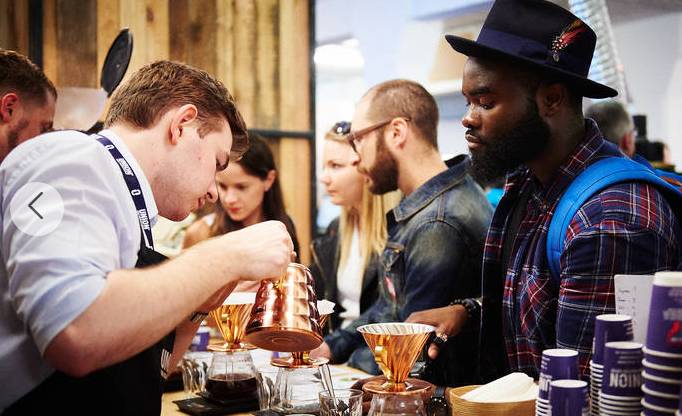
More and more Britons choose to spend their afternoon tea in cafes.
Following Ka Ping (Wechat official account vdailycom) found that the beautiful cafe opened its own shop for afternoon tea, which is a symbol of elegant English life. On a drizzling afternoon, sipping a cup of mellow English black tea by the fireplace and sipping muffins from time to time, it is leisurely and cozy. The British love affair with afternoon tea can be traced back to the mid-19th century. According to legend, the legend of afternoon tea

Where coffee is popular, Britons prefer tea?
British people love tea, but people living around Britain are keen on another drink, coffee. Northern Europe, north of Britain, is the most coffee-crazed region in the world. The five Nordic countries occupy the first, second, third, fourth and sixth positions in the coffee consumption ranking table per capita, while Belgium, which ranks eighth, faces Britain across the sea. why the British
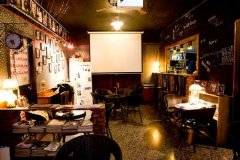
Why do Englishmen who once loved coffee drink tea instead?
The British like to drink tea, but people living around Britain are keen on another kind of drink, coffee. The Nordic region, located in the north of England, is the most coffee-hungry region in the world. The five Nordic countries occupy the first, second, third, fourth and sixth places in the ranking of coffee consumption per capita, respectively, while Belgium, which ranks eighth, faces the United Kingdom across the sea. Why are the British?

Englishmen who used to love coffee drink tea instead.
The British like to drink tea, but people living around Britain are keen on another kind of drink, coffee. The Nordic region, located in the north of England, is the most coffee-hungry region in the world. The five Nordic countries occupy the first, second, third, fourth and sixth places in the ranking of coffee consumption per capita, respectively, while Belgium, which ranks eighth, faces the United Kingdom across the sea. Why are the British?

Competition between Tea and Coffee in Modern England
The popularity of coffee in British society mainly lies in two favorable factors: first, the advantages of transport conditions. At that time, coffee was mainly produced in Yemen, which was closer to the United Kingdom, which was more convenient than transporting tea from China, and coffee entered the UK earlier than tea, so coffee had a head start. Secondly, due to the short transportation distance, the price of coffee is relatively low, while tea

The reason why British people like to drink tea comes from the alternation of tea culture and coffee culture.
It is known all over the world that English people are addicted to tea. But from the mid-17th century to the early 18th century, the whole of London was soaked in coffee instead of tea. British men switch from drinking to drinking coffee, or both. When they get drunk in a pub, they go to the cafe to sober up with caffeine, and then go to the pub to continue drinking. But King Charles II of England banned cafes in 1675.